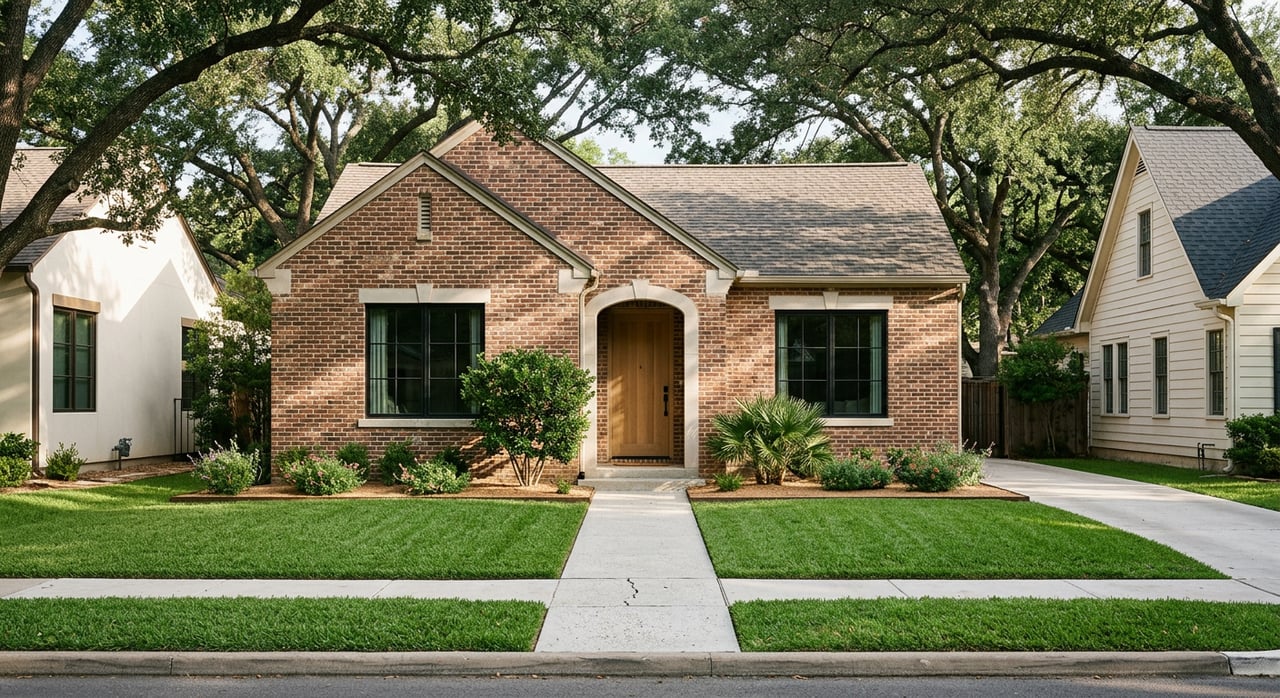
Love the idea of owning a 1910s or 1920s Tudor, Spanish Eclectic, or Craftsman in Monte Vista, but unsure where to start? You are not alone. Buying a historic home is equal parts design discovery and due diligence. This guide shows you how to evaluate character, plan inspections, navigate approvals, and tap programs that support preservation. Let’s dive in.
Understand Monte Vista’s historic status
Monte Vista is both a locally designated San Antonio historic district and a National Register district. Local designation, adopted in 1975, is what creates rules for exterior changes and design review. The National Register listing, added in 1998, is honorary for most private owners and does not regulate your project by itself unless federal funds or permits are involved. You can read more about the district’s background on the City’s page for Monte Vista Historic District.
San Antonio’s Office of Historic Preservation (OHP) administers the rules for exterior work. You will apply for a Certificate of Appropriateness, or COA, for changes visible from the street. OHP provides district-specific design guidelines and assigns a case manager to help you scope work and submit through their portal. Start at OHP’s project review “Before Getting Started” page to understand what needs approval and when to contact staff.
Spot and document what gives the home its character
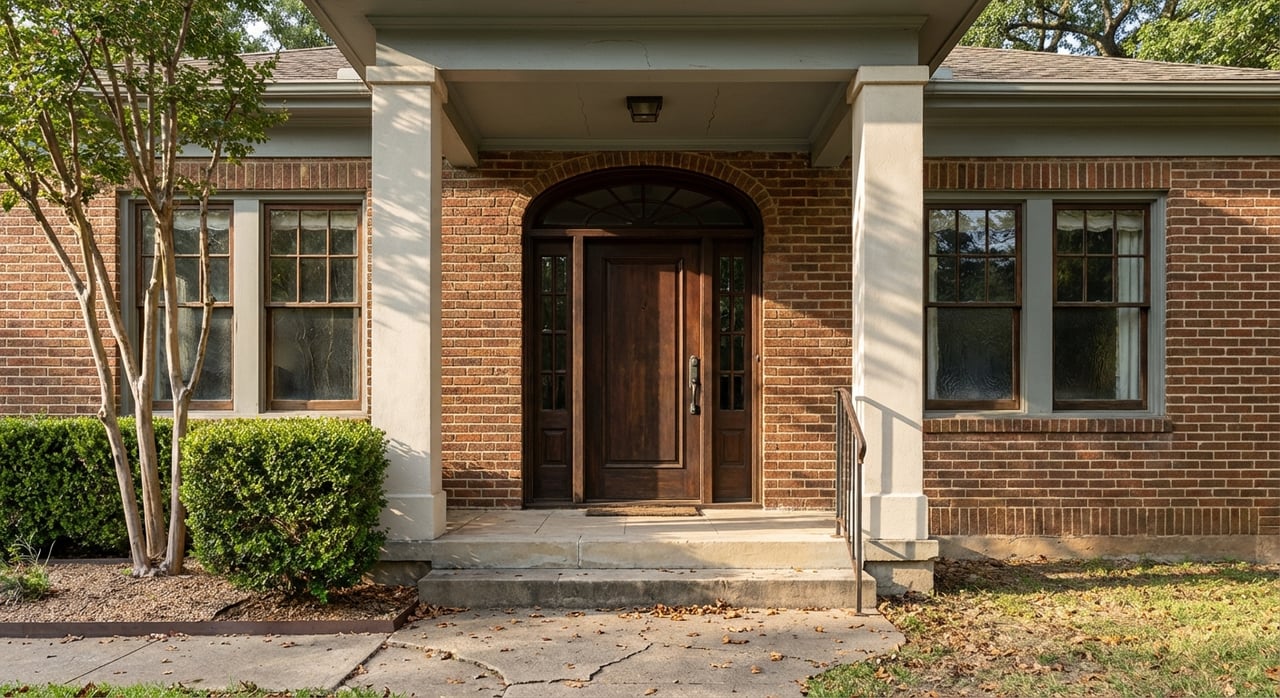
Before you fall in love with finishes, take a careful inventory of what makes the house special. Monte Vista homes often feature original wood sash windows, porch columns, hardwood floors, built-ins, decorative plaster or mouldings, historic roof forms and chimneys, masonry details, ironwork, and early tile. The City’s Historic Design Guidelines explain why these features matter and how they are reviewed.
- Photograph character-defining elements and note if they look original, altered, or missing.
- Ask the seller for past permits, COAs, contractor invoices, and any historic photos.
- Save a clear “before” photo record if you plan repairs or upgrades.
Plan smart due diligence and inspections
Buying a historic home means balancing beauty and building science. Use this checklist to focus your inspections and budget.
Foundations and soils
Much of San Antonio sits on clay soils with shrink-swell behavior. Older pier-and-beam or shallow footings may show settling or movement. If your inspector flags cracks or sloping, expect to bring in a structural or geotechnical engineer. The state’s hazard planning materials discuss the I‑35 corridor’s soil risks in more detail. See the overview in the Texas Hazard Mitigation Plan.
Roof, drainage, and water management
Water is the enemy of historic fabric. Prioritize tight roofing, well-sized gutters and downspouts, and site grading that moves water away from the structure. OHP guidance stresses protecting original materials by addressing the exterior envelope first.
Termites and wood-destroying insects
Order a Texas Official WDI (termite) inspection from a licensed inspector. Certain loans, including VA, often require it. The Texas Department of Agriculture sets the rules for the official WDI report. Review the adopted rules and report framework in the state’s WDI guidance.
Electrical, plumbing, and HVAC
Older houses can have small electrical service sizes, cloth-insulated wiring, or galvanized piping. These can be safety or cost items. Ask for evaluations by a licensed electrician and an HVAC contractor who work on older homes so you can scope realistic upgrades.
Lead-based paint and asbestos
Homes built before 1978 may contain lead-based paint, and some older insulation or finishes may contain asbestos. If you expect to disturb finishes, plan for testing and certified abatement. The EPA outlines federal lead disclosure and renovation requirements under Title X. Review the EPA lead program overview.
Historic windows and energy upgrades
Original wood windows are often repairable and are part of the home’s character. San Antonio’s policies generally prefer repair over replacement, and any replacements are carefully reviewed for compatibility. OHP also publishes energy-retrofit guidance to balance efficiency with preservation. Plan conservatively and price window repair with a specialist.
Build the right inspection team
At minimum, hire:
- A general home inspector with older-house experience.
- A Texas-licensed WDI inspector for the official termite report.
- A structural engineer if you see signs of movement.
- A licensed electrician and HVAC contractor to scope systems.
- Lead and asbestos testing if paint or insulation work is likely.
- For complex projects, a preservation architect or consultant to prepare plans that meet review standards and keep approvals smooth.
COA, timelines, and what to expect
All exterior work in historic-overlay districts requires a COA. Routine repairs may qualify for administrative approval, while larger or more visible changes can go to a public hearing before the Historic and Design Review Commission. Most residential COA applications are submitted online and, at present, do not carry an application fee. Starting work without an approved COA can trigger a stop-work order and a post-work fee. Begin with OHP’s “Before Getting Started” guidance and request a pre-application conversation.
Timing matters. The City’s Unified Development Code sets procedural timelines. As a benchmark, the HDRC is expected to act within 60 days on a complete COA application. Review the timeline language in the UDC section on COA procedures and build review time into your renovation schedule.
Local incentives and programs
San Antonio offers local property tax exemptions for certain historic properties. Programs include a City property tax exemption for owner-occupied homes in newly designated districts and a substantial-rehabilitation exemption for designated landmarks and district properties that meet cost thresholds. Each program requires OHP review and application, and incentives affect only the City portion of the tax bill. Explore current programs on the City’s historic incentives page.
For many owner-occupants, the federal 20 percent historic rehabilitation tax credit does not apply because it is limited to income-producing properties, such as rentals or commercial uses. Read the National Park Service’s eligibility requirements if you are considering a mixed-use or rental scenario.
Local nonprofits and neighborhood groups can help with guidance and small grants. The Monte Vista Historical Association maintains resources like contractor lists and landscape guidance. See the MVHA’s resources page for owner education and referrals.
Financing options and realistic budgets
If your dream home needs work, you can pair purchase and renovation financing. Buyers often consider:
- FHA 203(k), which rolls purchase and rehab into one loan with Limited and Standard options.
- Fannie Mae HomeStyle Renovation, a conventional product that funds a broad range of improvements.
- Freddie Mac CHOICERenovation, another conventional option offered by some lenders.
Set a smart budget order. Prioritize the exterior envelope, roof, drainage, and mechanical systems before cosmetic upgrades. Historic homes reward patience and planning. Carry a higher contingency, often 15 to 25 percent, to handle unknowns behind walls and to cover specialized trades like wood window repair, plaster, or lime-mortar masonry.
Assemble your Monte Vista team
You will move faster and with fewer surprises when you have the right people in place.
- A San Antonio agent with Monte Vista experience helps you evaluate prior COAs, understand comparables, and coordinate inspections.
- A preservation-minded designer or architect can translate your goals into plans that meet the City’s standards.
- A licensed general contractor with historic rehab experience is essential. Ask for proof of insurance, relevant references, and examples of similar work. Neighborhood groups and local rehab networks often maintain recommendation lists.
A simple step-by-step plan
Define your priorities. List must-keep features and desired upgrades so your team understands what to protect and what to change.
Pre-screen listings for character. Use photos and disclosures to flag original windows, porches, floors, and masonry details. Ask for past permits and COAs.
Write offers with diligence in mind. Allow inspection time for specialist evaluations if foundation movement, system issues, or hazards are suspected.
Build the scope with specialists. Gather repair estimates and align with OHP guidelines so your COA submittal reflects best practice.
Plan approvals early. Meet your OHP case manager, confirm whether your project qualifies for administrative review or an HDRC hearing, and factor timelines into your contract schedule.
Sequence the work. Start with roof, drainage, and envelope repairs, then move to systems, then interiors and finishes.
Keep records. Photograph existing conditions, save all COAs and permits, and document work for future reference or incentives.
Buying a historic home in Monte Vista should feel exciting, not overwhelming. With clear inspections, early OHP coordination, and the right team, you can protect what makes the house special and make thoughtful updates that live beautifully. If you want a calm, design-focused partner for your search and purchase, connect with Ryan Hoskins to get started.
FAQs
Do Monte Vista homes require approval for exterior changes?
- Yes. Exterior work visible from public streets typically needs a Certificate of Appropriateness through San Antonio’s Office of Historic Preservation. Routine repairs may be approved administratively, while larger changes can go to HDRC.
What does the National Register mean for a Monte Vista buyer?
- National Register listing is honorary for most private owners. Local historic designation is what creates enforceable review standards and COA requirements for exterior work.
How long does the COA process take in San Antonio?
- It varies by project. As a general benchmark, the HDRC is expected to act within 60 days of a complete application. Plan for review and allow time before contractors mobilize.
What inspections are essential for an older Monte Vista home?
- At minimum, order a general inspection, a Texas Official WDI termite inspection, and specialist evaluations for foundation, electrical, HVAC, and potential lead or asbestos if finishes will be disturbed.
Can I replace historic windows in Monte Vista?
- Window replacement is carefully regulated. The City generally prefers repair of original wood windows. If replacement is justified, products must meet compatibility standards and be approved through the COA process.
Are there tax incentives for Monte Vista homeowners?
- The City of San Antonio offers property tax exemptions for qualifying historic properties. The federal 20 percent credit applies only to income-producing projects, not owner-occupied primary residences.
Will the City tell me what color to paint my house?
- San Antonio’s guidelines do not prescribe paint colors. They review whether painting a material is appropriate. For example, painting historic unpainted brick is discouraged because it can harm the masonry.