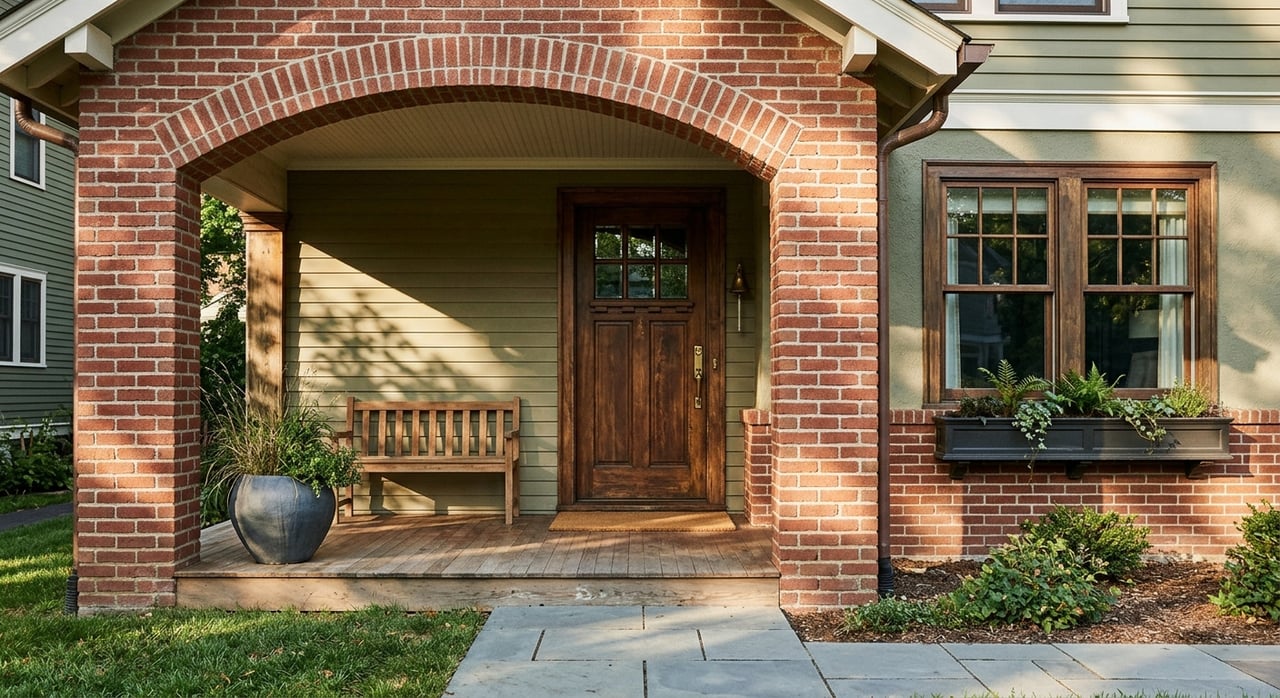
Selling a historic home in Monticello Park is rarely about making it look newer. It is about helping buyers see that it has been cared for, understood, and presented in a way that respects its character. If you are preparing to sell, you need a plan that balances market appeal with San Antonio’s historic district rules. Let’s walk through what usually matters most before you list.
Why Monticello Park needs a different approach
Monticello Park is a locally designated historic district in San Antonio, and that changes how you should think about pre-list work. Exterior changes are subject to the city’s Historic Design Guidelines and often require review, while interior-only work is not reviewed by the Office of Historic Preservation.
That matters because buyers in this area are often drawn to more than size or finish level. Monticello Park is known for eclectic architecture, including Tudor, Craftsman, Spanish and Mission Revival, Art Moderne, and Classical Revival homes. In practice, original massing, façade composition, and period details can carry real weight in how a home is perceived.
Start with repairs that protect the house
Before you think about paint colors or styling, focus on the issues that signal deferred maintenance. In a historic home, water management problems tend to be the most important place to start.
That usually means addressing roof leaks, damaged shingles or tiles, failing flashing, clogged gutters, downspouts, moisture near the foundation, and rotted or peeling exterior wood. These are the kinds of problems that can make buyers worry about larger hidden costs.
Protect original roof form
San Antonio’s preservation guidance emphasizes keeping the original roof shape, line, pitch, and overhang. Distinctive roof features should be repaired rather than simplified whenever possible.
If your home has visible roof details that define its style, preserving them can support both curb appeal and buyer confidence. A tidy, functional roofline reads as stewardship, not just maintenance.
Repair instead of replace
The city’s guidance consistently favors repair over replacement. When a historic feature is deteriorated, the preferred approach is to repair it, and if replacement is unavoidable, the new work should match the old in design, color, texture, and, where possible, materials.
This applies to windows, masonry, porches, woodwork, roofing, and metal details. For a seller, that principle is useful because it helps you avoid updates that may look out of place to buyers who value authenticity.
Be careful with windows, masonry, and stucco
Some of the most visible mistakes happen when sellers rush through exterior improvements. Historic homes often lose appeal when repairs ignore original materials or proportions.
For wood windows, city guidance recommends repair when possible. If replacement is necessary, the new windows should match the original appearance, materials, size, design, proportion, and profile, and faux divided lights are discouraged.
Avoid painting unpainted masonry
If your home has historically unpainted brick or masonry, the city advises against painting it. Repointing should use compatible mortar, and cleaning should be done gently.
That means a quick cosmetic change is not always the right move. Buyers in historic districts often respond better to honest material texture than to finishes that feel too newly imposed.
Use paint thoughtfully
San Antonio notes that paint color itself is not limited by the Historic Design Guidelines. Still, the material being painted matters.
A fresh repaint can absolutely help your listing feel well maintained, as long as you are not coating surfaces that should remain unpainted. In many cases, a restrained refresh works better than a dramatic transformation.
Understand approvals before you begin work
One of the easiest ways to delay a listing is to start exterior work without confirming whether approval is required. In San Antonio historic districts, exterior work generally requires a Certificate of Appropriateness, often called a COA, before work begins.
If you are considering anything beyond basic upkeep, it is smart to check early. The city recommends consulting staff in advance for larger projects, which can help you avoid design revisions or timing surprises.
Build your timeline around COA review
Current city guidance says applications are due 19 days before the desired HDRC or CTAB meeting date. COAs are usually issued within about 10 days after the meeting.
For a seller, that timeline matters. If you are hoping to list on a specific schedule, approval windows should be part of your prep calendar from the start.
Gather a clean documentation file
The same materials used in the approval process can also strengthen your listing package. The city’s checklist may include current color photos of all sides of the structure, a site plan or annotated survey, a detailed description of proposed work, elevations when relevant, a materials list, material samples, and landscaping information.
If windows are part of the project, the city also asks for photos of each window, photos of each side of the house, a window schedule, and replacement specifications. Even after work is complete, it helps to keep permits, COAs, invoices, photos, and product information organized for buyers.
Stage the exterior to fit the block
Monticello Park has a distinct streetscape pattern, and your exterior presentation should work with it rather than against it. City materials describe grass front yards, concrete sidewalks separated from the street by lawn, shallow berms in some lawns, and in some locations historic stone retaining walls.
Driveways are often two concrete runners with a grass median, and back yards are generally enclosed with wood or metal fences. The takeaway is simple: the strongest curb appeal usually feels open, orderly, and consistent with the surrounding block.
Keep the front yard visually open
Site guidance from the city says new front-yard fences or walls should not be introduced where they did not historically exist. City materials also describe front yard fences in Monticello Park as uncommon.
So if you are trying to improve curb appeal before listing, adding a heavy front barrier is usually not the answer. A clean, open front yard often better supports the district’s established rhythm.
Market the home’s character, not just its updates
When the prep work is done, your marketing should highlight the details that make the home feel historically honest. In Monticello Park, buyers are often paying attention to porch depth, roofline, original windows, masonry or stucco texture, metal details, and how the house sits on the lot in relation to the street.
This is where thoughtful presentation matters. Strong photography, restrained staging, and clear storytelling can help buyers notice craftsmanship without making the home feel over-styled.
For distinctive historic homes, a polished listing campaign should do more than show rooms. It should frame the architecture, explain the care behind the property, and create confidence around the home’s condition and context.
A practical pre-list checklist
If you want to prepare efficiently, focus on the steps most likely to protect value and avoid delays:
- Confirm the home’s historic designation and whether planned exterior work needs COA review.
- Fix water-related issues first, including roofing, flashing, gutters, downspouts, and moisture near the foundation.
- Repair original windows, woodwork, masonry, roof forms, and metal features whenever feasible.
- Avoid painting historically unpainted brick or masonry.
- Save permits, COAs, invoices, before-and-after photos, and material specifications.
- Keep the front yard open and visually aligned with the block’s existing character.
- If you are considering larger exterior work, consult early so approvals do not push back your listing date.
The best Monticello Park listings usually feel well maintained, lightly edited, and true to the home’s original character. That balance can make a real difference in how buyers respond.
If you are getting ready to sell a historic home in San Antonio, Ryan Hoskins offers calm, design-minded guidance, curated presentation, and methodical listing support built for distinctive properties.
FAQs
What repairs matter most before selling a historic home in Monticello Park?
- Start with water-related issues such as roof leaks, damaged shingles or tiles, flashing problems, clogged gutters, downspouts, foundation-line moisture, and deteriorated exterior wood.
Does exterior work on a Monticello Park home need city approval?
- In San Antonio historic districts, exterior work generally requires a Certificate of Appropriateness before work begins, while interior-only work is not reviewed by the Office of Historic Preservation.
Should you replace old windows before listing a historic Monticello Park house?
- Usually, repair is preferred; if replacement is necessary, the new windows should match the original in appearance, materials, size, design, proportion, and profile.
Can you paint brick on a historic Monticello Park home before selling?
- If the brick or masonry has historically been unpainted, city guidance advises against painting it.
How long should you allow for historic review before listing a San Antonio home?
- Current city guidance says applications are due 19 days before the desired HDRC or CTAB meeting date, and COAs are usually issued within about 10 days after the meeting.
What curb appeal choices fit Monticello Park best when selling?
- A restrained approach usually works best, with a clean, open front yard and exterior presentation that stays consistent with the district’s established streetscape patterns.