If your Castle Hills home no longer fits the way you live, you are not alone. A right-size move is often less about leaving a place you love and more about choosing a home that feels easier, simpler, and better aligned with your next chapter. With the right plan, you can reduce stress, protect your timing, and make thoughtful decisions from start to finish. Let’s dive in.
Why right-sizing looks different in Castle Hills
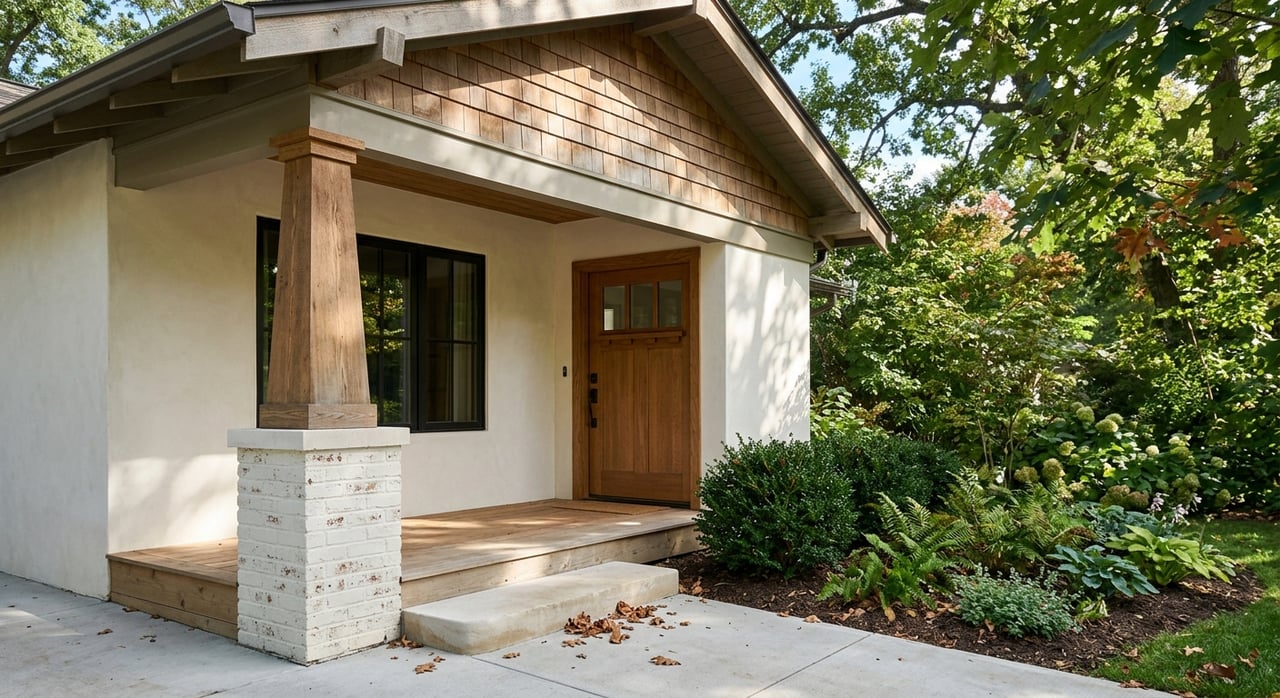
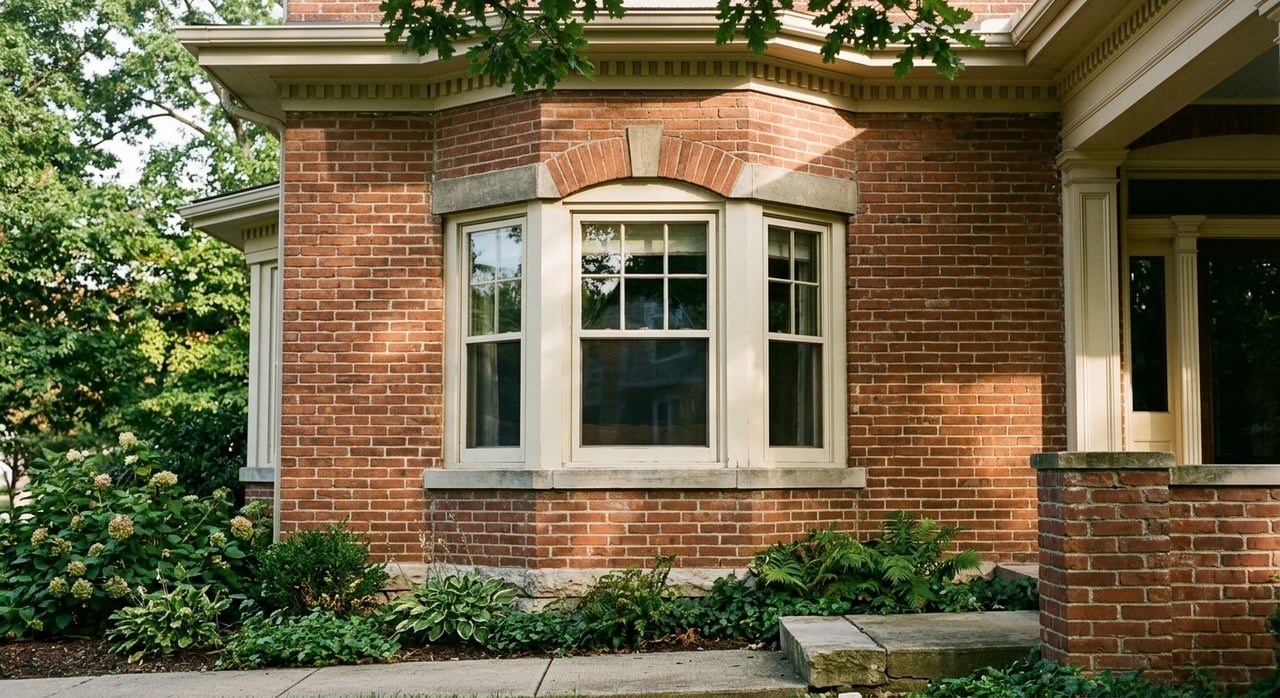
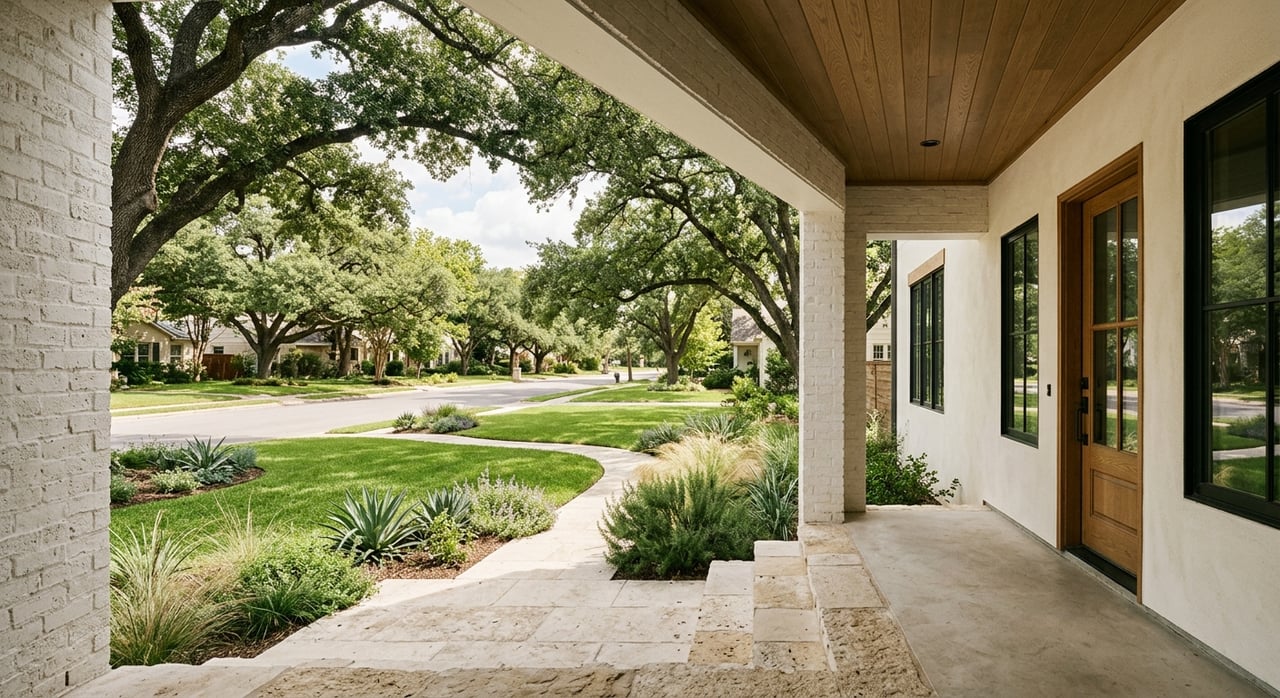
Castle Hills has a distinct housing pattern that shapes how many homeowners approach a move. The city describes the area as primarily private residential land with large lots, abundant trees, and mostly single-family homes, with limited apartment or multifamily inventory.
That matters because a right-size move here is often lifestyle-driven. You may want less upkeep, a more practical layout, or a different footprint, while still staying connected to the inner-loop area and the character that drew you to Castle Hills in the first place.
Start with your next-stage goals
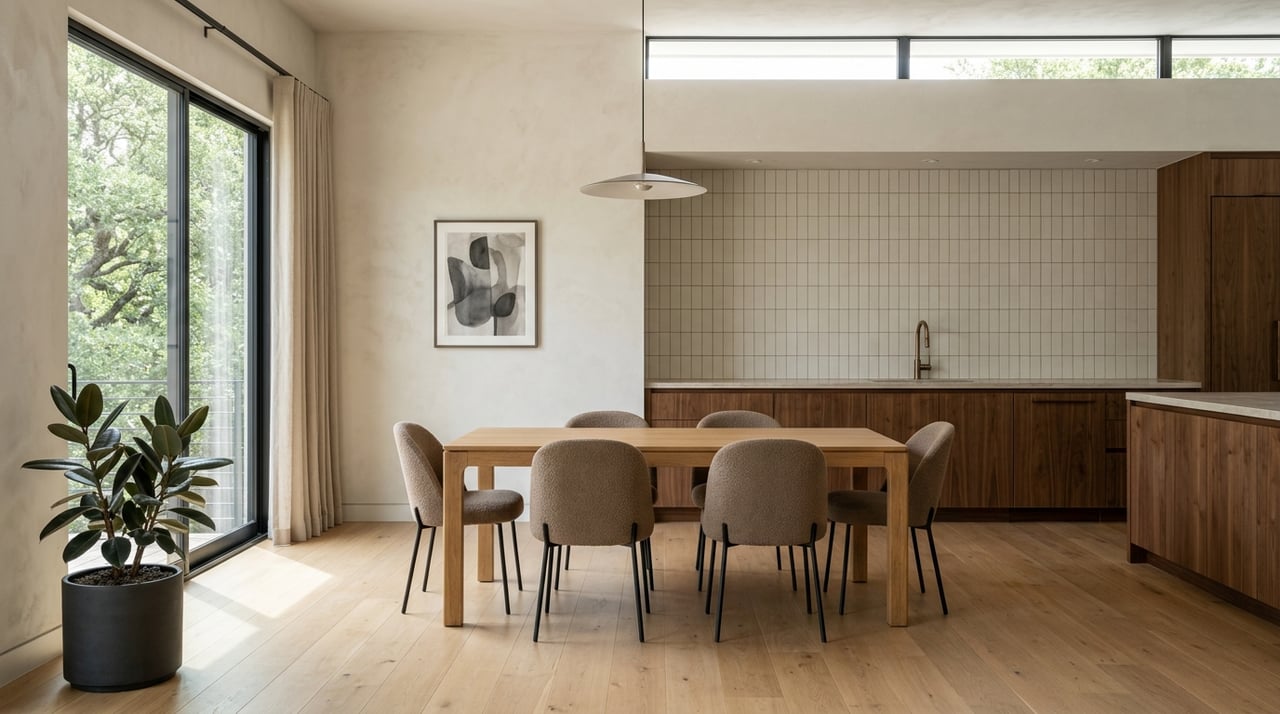
Before you think about list dates or moving trucks, define what “right-size” means for you. For some homeowners, it means fewer rooms to maintain. For others, it means a different floor plan, less yard work, or a home that supports easier day-to-day living.
A clear goal helps shape every decision that follows. It can guide what repairs you make, how much you edit before listing, and whether you should sell first, buy first, or build in a temporary transition period.
Market timing calls for a plan
The San Antonio market has shifted into a more balanced environment. According to Texas Real Estate Research Center reporting for early 2026, active inventory increased to a 4.7-month supply, average days on market for unsold inventory reached 104 days, and year-over-year price decline in San Antonio widened to 2.5 percent.
SABOR's 2025 market review also reported more active listings and months of inventory just over five months across the metro, with a 2026 outlook calling for measured price growth rather than rapid appreciation. For you, that usually means preparation and pricing matter more than rushing to market.
In a market like this, thoughtful sellers often do best with enough runway to prep the home properly, evaluate timing options, and avoid making the purchase side of the move feel reactive. A calm, organized plan can create more flexibility than a fast one.
Choose the right sale-and-purchase sequence
For many homeowners, the hardest part is not deciding to move. It is deciding what happens first. Texas REALTORS reported that 36 percent of REALTORS said their clients worried about coordinating the sale of one home with the purchase of another.
That concern is common because each path has tradeoffs. The right choice depends on your equity, financing, comfort level, and willingness to manage a short transition if needed.
Option 1: Sell first
Selling first can give you clarity. You know your proceeds, you reduce the risk of carrying two homes, and you can shop for the next property with a firm budget.
The tradeoff is timing. If your next home takes longer to find, you may need a short-term rental or another temporary housing plan.
Option 2: Buy first
Buying first can make sense if the replacement home is your top priority and your financing supports it. This approach can feel more comfortable if you want to move once and avoid an in-between stop.
The main consideration is financial overlap. You may need to carry two properties for a period of time, which is why this route works best when your borrowing capacity and cash flow are clear from the start.
Option 3: Align both closings closely
Some homeowners prefer to line up both transactions so they close near the same time. That can reduce the disruption of moving twice and keep the transition compact.
This path usually requires strong coordination and backup plans. Even with careful scheduling, small delays can affect both sides of the move.
Temporary lease tools can ease the transition
Texas Real Estate Commission forms provide useful options when timing needs flexibility. The Seller's Temporary Residential Lease applies when a seller stays in the home for no more than 90 days after closing, and the Buyer's Temporary Residential Lease applies when a buyer occupies the property for no more than 90 days before closing.
In practical terms, a short lease-back or temporary occupancy period can act as a pressure-release valve. It can give you time to complete your move without rushing into the next purchase or forcing an avoidable timing crunch.
For Castle Hills homeowners, that flexibility can be especially useful if you need time for repairs, decluttering, estate-sale coordination, or simply reducing what will move with you. A bridge period is not a sign that the plan failed. Often, it is part of a smart one.
Prep work matters more than the perfect move date
In Castle Hills, preparing a long-loved home for market often has more impact than trying to force an ideal calendar. The city requires permits for many residential projects, including remodels and additions, so it is important to confirm what work needs approval before starting pre-listing updates.
Castle Hills also restricts oak pruning from February 1 through June 30 to help reduce oak wilt risk. If your exterior plan includes tree work or landscape cleanup, build that timing into your schedule early.
The city's Architectural Review Committee emphasizes aesthetic quality, orderly redevelopment, and tree conservation. For sellers, that creates a useful framework. Exterior improvements should feel well considered, maintained, and in harmony with the property's setting rather than rushed or overly aggressive.
Focus on the updates that support presentation
Because Castle Hills is known for large lots and mature trees, presentation should highlight the home's setting as much as the structure itself. Clean landscaping, visible curb appeal, and attention to deferred maintenance usually do more than over-modernizing features that may not need a major overhaul.
Inside, the goal is clarity. Buyers should be able to see the scale of rooms, the flow of the layout, and the character of the home without distraction from unfinished projects or excess belongings.
A practical prep sequence often looks like this:
- Define the size and style of home you want next
- Identify what furniture and belongings will not make the move
- Schedule repairs or painting with permit timing in mind
- Plan decluttering, donation, or estate-sale steps
- Stage and photograph only after the home feels calm and show-ready
Castle Hills also requires permits for garage sales and estate sales. If part of your right-size move involves selling household items before listing, that local rule is worth factoring into your timeline.
Do not overlook property tax changes
A move can also affect your property tax setup. The Texas Comptroller states that a residence homestead exemption must be applied for through the local appraisal district. In Bexar County, the homestead cap begins after qualification and limits increases in taxable value to 10 percent plus new improvements, but the cap ends if you no longer qualify for the exemption.
If you move, those benefits do not transfer automatically. Bexar Appraisal District notes that homeowners should remove exemptions from the prior home and file a new homestead application for the new residence.
For homeowners age 65 or older, there may be an additional step worth reviewing. Bexar Appraisal District says the age 65 or older exemption includes a tax ceiling on certain taxing units, and that homeowners may be able to transfer that ceiling to a new qualified homestead within the same taxing unit if they complete the required paperwork.
A calmer move starts with better sequencing
Right-sizing in Castle Hills is rarely a one-day decision. It is a sequence of decisions about timing, repairs, presentation, tax planning, and what you want daily life to feel like next.
When you treat the move like a managed project, the process becomes more manageable. You can prepare the home thoughtfully, choose a timing strategy that fits your comfort level, and make room for the practical details that often get overlooked until the last minute.
If you are thinking about a right-size move in Castle Hills, working with an advisor who can coordinate the process with clarity, presentation, and steady communication can make all the difference. If you are ready to map out your next step, Ryan Hoskins can help you build a smart plan that fits your timeline and your goals.
FAQs
What does a right-size move in Castle Hills usually mean?
- In Castle Hills, a right-size move is often about choosing a home with a better-fitting layout, maintenance level, or footprint while staying connected to the area's inner-loop location and residential character.
How long should I allow to prepare a Castle Hills home for sale?
- Build in time for repairs, decluttering, staging, photography, and any city permit requirements, especially if your prep plan includes remodeling, additions, tree work, or an estate or garage sale.
Can I stay in my Castle Hills home after closing?
- Yes, if both parties agree and use the proper Texas Real Estate Commission form, a seller can remain in the home for up to 90 days after closing under a Seller's Temporary Residential Lease.
Do homestead exemptions transfer automatically when I move in Bexar County?
- No. Bexar Appraisal District says you should remove the exemption from the prior home and apply for a new homestead exemption on your new residence.
Can a homeowner over 65 transfer a tax ceiling after moving in Bexar County?
- Bexar Appraisal District says that homeowners with the age 65 or older exemption may be able to transfer the tax ceiling to a new qualified homestead within the same taxing unit if they complete the required paperwork.
Is the current San Antonio market favorable for a careful Castle Hills sale?
- Current regional data points to a more balanced market with more inventory and longer marketing times, which generally rewards thoughtful preparation, realistic pricing, and a clear move strategy.