Thinking about a move to Olmos Park? It is easy to see the name and assume it is just another San Antonio neighborhood, but that first impression misses what makes this place distinct. If you are relocating and want a central, established setting with architectural character and easier access to downtown and the airport, this guide will help you understand how Olmos Park actually lives day to day. Let’s dive in.
Olmos Park at a glance
Olmos Park is a separately incorporated small city in central Bexar County, not simply a neighborhood within San Antonio. It covers about 0.61 square miles and has roughly 2,200 residents, which gives it a compact, close-knit feel.
Official city materials place Olmos Park about four miles north of downtown San Antonio and five miles south of San Antonio International Airport. You are also near other established inner-loop areas, including Alamo Heights and Terrell Hills, with a location that feels tucked in without feeling remote.
Why relocating buyers notice Olmos Park
For many buyers, the appeal starts with balance. Olmos Park offers a residential setting with mature trees, larger lots, and a strong sense of place, while still keeping you close to major daily destinations.
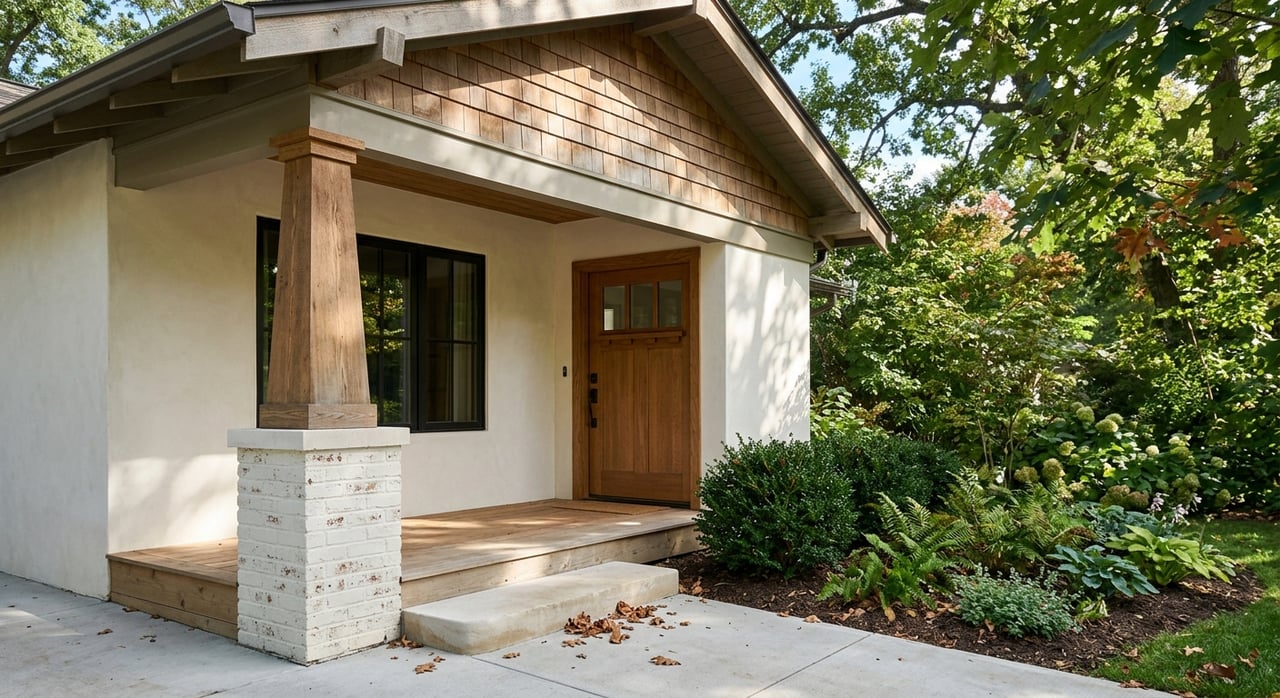
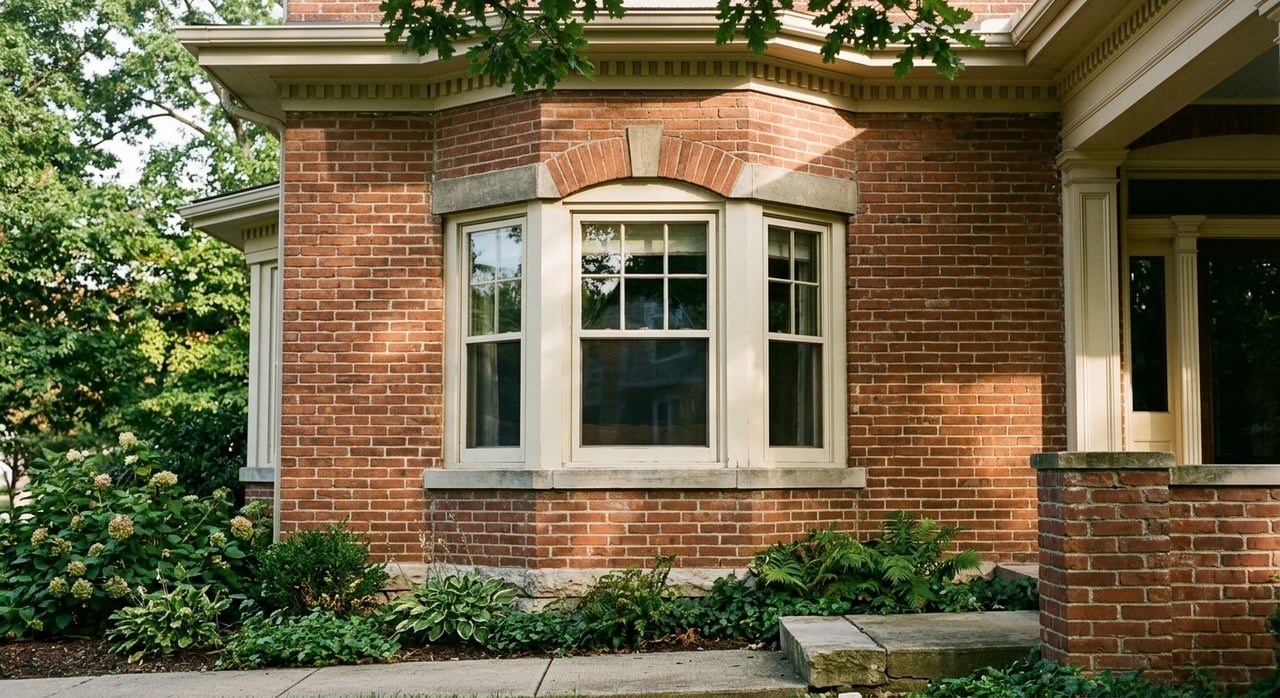
The city’s history materials describe development beginning in the 1920s, and that legacy still shapes the experience today. You can expect tree-canopied streets, varied architecture, and a setting that feels more layered than a typical subdivision.
That combination tends to resonate with relocating professionals who want convenience without giving up neighborhood character. Instead of a longer suburban pattern, Olmos Park is better understood as an inner-loop base with short-hop access to the places many buyers use most.
Location and commute orientation
One of the clearest advantages of Olmos Park is where it sits. The city is surrounded by San Antonio, with residential areas to the west and south and wooded park space to the north and east, which helps create a slightly more secluded feel in a very central part of town.
If you drive often, the published location data suggest a practical setup for trips between downtown, north-central San Antonio, and the airport. Because the city is about four miles from downtown and five miles from the airport, many routine drives may feel relatively short compared with outer-ring suburban commutes.
If public transit matters to you, Olmos Park sits along a VIA Metropolitan Transit route. Current VIA service shows Route 5 McCullough running every 30 minutes, and VIA’s airport information says Route 5 serves the airport hourly from about 5:00 a.m. to 10:30 p.m. daily.
What is nearby for daily life
Relocation is rarely just about the house. You are also choosing how easy everyday life will feel, and Olmos Park has strong central access to many well-known San Antonio destinations.
City materials place the area near Trinity University, the University of the Incarnate Word, the San Antonio Zoo, Brackenridge Park, Olmos Basin Park, the Pearl, the St. Mary’s Strip, the Quarry, and North Star Mall. That means you are positioned near parks, shopping, dining, and cultural destinations without needing to live in the middle of the busiest urban core.
Within Olmos Park itself, the business base is modest but useful. The city’s business directory and welcome materials list neighborhood-scale services such as boutique retail, fitness, veterinary care, tailoring, consignment, jewelry, and chiropractic care.
That local mix suggests convenience over volume. You are not moving here for big-box retail inside the city limits, but you do get a small commercial fabric that supports daily errands and services close to home.
The community feel
Olmos Park has a civic identity that stands out. Because it is its own city, community life tends to feel more intentional and locally rooted than what buyers sometimes expect from an inner-loop address.
Official materials describe recurring community events including Fiesta, Independence Day, National Night Out, Halloween, and Christmas gatherings at Alameda Circle. The city also has a Welcome Committee and a Youth Commission, which reinforces the sense of organized local involvement.
For some buyers, that translates to a small-town rhythm in a central urban location. If you value a place with a recognizable local identity, that is an important part of the orientation.
Outdoor setting and streetscape
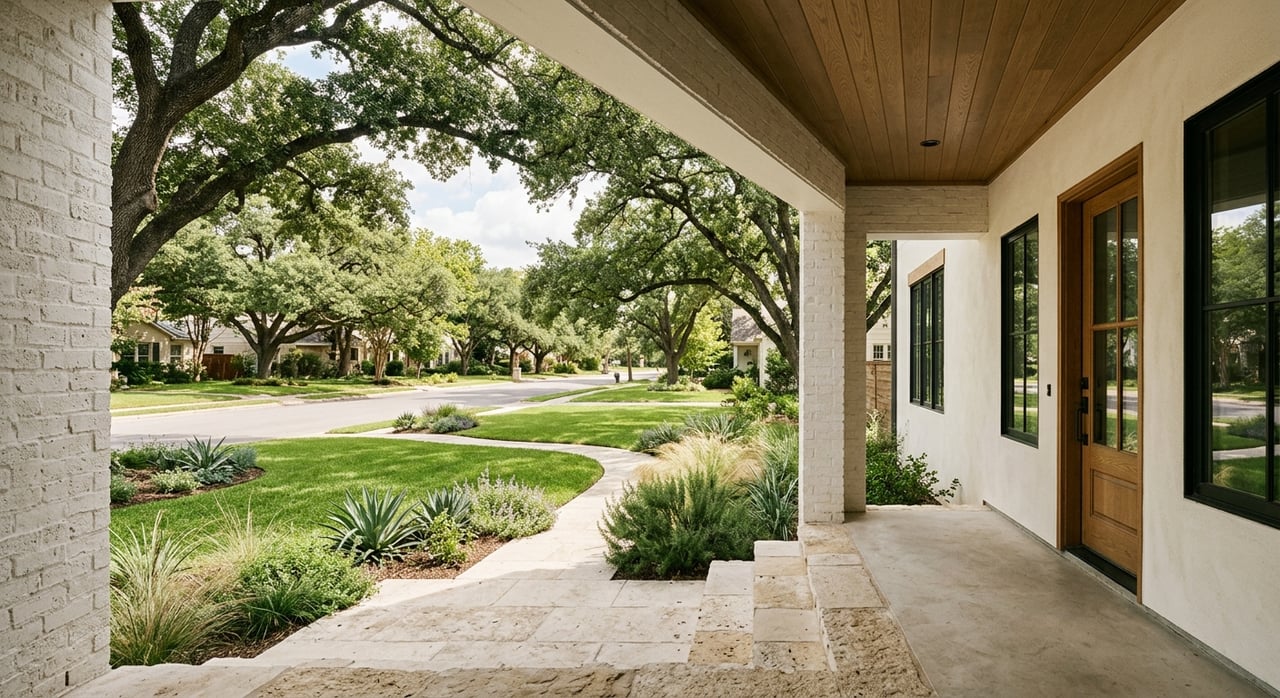
The physical environment is a meaningful part of Olmos Park’s appeal. City history and brochure materials emphasize its extensive tree canopy, and that is central to how the area looks and feels.
Contour Drive is specifically noted as a popular route for runners and cyclists because of its scenic, flat terrain. For buyers who want a neighborhood where the streets themselves contribute to daily quality of life, that detail matters.
More broadly, the combination of mature trees, established lots, and surrounding green space helps create a calmer visual setting than many newer developments. It is one of the reasons Olmos Park often feels distinct from nearby areas, even though it is close to so much.
Housing in Olmos Park
Housing here is compact in supply and mostly single-family. Official city materials describe more than 800 single-family homes and about 250 apartment units.
That mix means you should expect a limited inventory environment compared with larger San Antonio submarkets. When homes do become available, they may range from original 1920s-era properties to renovated residences and contemporary new builds.
In practical terms, Olmos Park is not a place where every block looks the same. Buyers often find a blend of historic character, updated homes, and newer infill, which makes property-by-property evaluation especially important.
Why block-by-block context matters
Olmos Park has seven zoning districts shown on the city zoning map. Those include four single-family residence districts, one apartment district, one local retail district, and one mixed retail and commercial district.
For a relocating buyer, that means the immediate surroundings of a home deserve close attention. Some streets read as purely residential, while others may sit closer to retail or service uses at the city’s commercial edges.
This is one reason local guidance can be useful in a small enclave like Olmos Park. In a compact city, even short distances can change the feel of a property’s setting.
Schools and practical planning
For buyers thinking ahead about school logistics, Alamo Heights Independent School District serves Olmos Park. AHISD states that its district includes Alamo Heights, Terrell Hills, Olmos Park, and part of north San Antonio.
The city brochure notes that there are no school facilities inside Olmos Park city limits. It also states that AHISD campuses are within roughly four miles and that the district provides bus service.
That is useful orientation if you are moving from out of town and trying to picture the day-to-day setup. The key takeaway is that school service is part of the broader district footprint rather than located directly inside the city.
How Olmos Park fits the market
At the metro level, SABOR reported that the San Antonio and New Braunfels market ended 2025 with a median home price of about $306,000, active listings up more than 16 percent, and months of inventory just over five. SABOR described that overall market as close to balanced.
Olmos Park should be viewed in that broader context, but not confused with it. Because this is a very small inner-loop enclave with limited resale inventory and a distinctive housing base, its pricing and availability can behave differently from the wider metro market.
That matters if you are relocating and trying to compare Olmos Park with larger search areas. In a neighborhood this compact, timing, fit, and property-level detail often matter as much as broad market averages.
Is Olmos Park the right fit for you?
Olmos Park tends to appeal to buyers who want centrality, architectural variety, and a more established setting. If your ideal move involves quick access to downtown, the airport, parks, and major city destinations, while still living in a residential environment with a strong identity, it is worth a closer look.
It may be especially compelling if you value homes with character, mature landscaping, and a neighborhood feel that does not depend on new development amenities. The tradeoff, of course, is that inventory is limited and each opportunity may look quite different from the next.
For relocating buyers, that usually means success comes from clear priorities. Knowing how you weigh architecture, lot size, location within the city, and proximity to commercial edges can help you move quickly and confidently when the right home appears.
If you are planning a move to San Antonio and want a calm, informed read on where Olmos Park fits, working with a local advisor can make the process much easier. For thoughtful guidance on inner-loop neighborhoods and a more tailored relocation strategy, connect with Ryan Hoskins.
FAQs
Is Olmos Park a neighborhood or its own city?
- Olmos Park is its own incorporated municipality, separate from the City of San Antonio.
How close is Olmos Park to downtown San Antonio?
- Official city materials place Olmos Park about four miles north of downtown San Antonio.
How close is Olmos Park to the airport?
- Official city materials say Olmos Park is about five miles south of San Antonio International Airport.
What types of homes are in Olmos Park?
- Olmos Park has mostly single-family homes, plus some apartment units, with architecture ranging from 1920s-era residences to newer builds.
What is everyday life like in Olmos Park?
- The city is known for tree-lined streets, neighborhood-scale businesses, community events, and convenient access to central San Antonio destinations.
Which school district serves Olmos Park?
- Olmos Park is served by Alamo Heights Independent School District, and the city brochure notes that district campuses are within roughly four miles and bus service is available.