Selling a historic home in Lavaca is not the same as selling a typical property across town. Buyers are often looking for more than square footage. They are responding to original details, the story of the home, and the character of one of San Antonio’s oldest residential neighborhoods. If you want a smooth sale and a strong market debut, you need a plan that respects preservation rules and presents the home with clarity. Let’s dive in.
Why Lavaca’s history shapes the sale
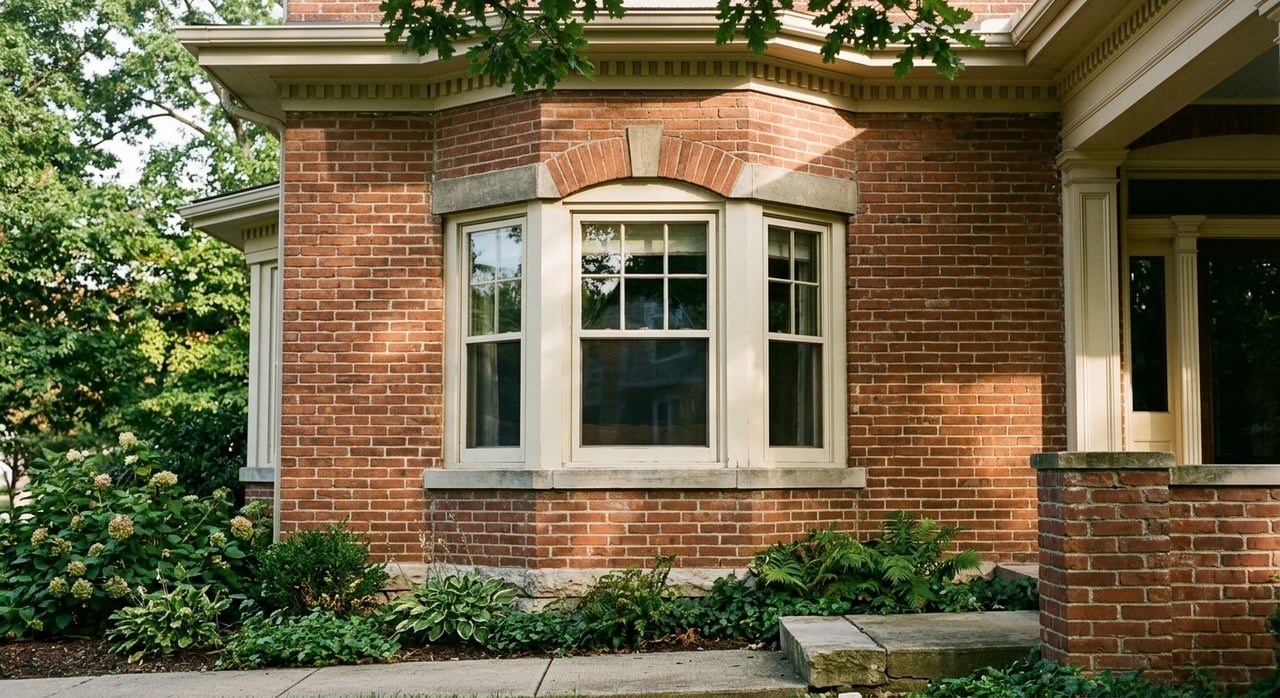
Lavaca holds a special place in San Antonio’s historic landscape. The city describes it as a locally designated and National Register-listed district southeast of downtown, about two blocks east of King William and south of HemisFair Park. The Lavaca Historic District overview also notes the area’s mix of late-19th- and early-20th-century housing types, including vernacular houses, caliche-block cottages, Victorian cottages, Craftsman homes, and a few Neoclassical examples.
That context matters when you sell. In a neighborhood identified by the Lavaca Neighborhood Association as the oldest residential neighborhood in San Antonio, your home’s age and architecture are part of the value story. Buyers in Lavaca are often drawn to authenticity, craftsmanship, and neighborhood identity, so your marketing should highlight those qualities clearly and accurately.
Start with preservation rules
Before you schedule repairs or cosmetic updates, make sure you understand the city’s review process. According to San Antonio’s Office of Historic Preservation guidelines, exterior modifications and repairs on properties with historic zoning overlay require a Certificate of Appropriateness, or COA. That applies even to side yards, rear yards, and areas not visible from the street.
This is one of the most important steps for Lavaca sellers. If work starts without approval, the city can issue a stop-work order and charge a $500 post-work application fee. On the other hand, residential COA applications have no fee, and some minor projects may be approved administratively.
Interior-only work does not need OHP approval, though a separate building permit may still be required. More complex exterior changes may go before the Historic and Design Review Commission or CTAB, especially when questions involve windows, doors, roofing, siding, or substitute materials.
Plan repairs the repair-first way
When you prepare a historic home for market, replacement is not always the best answer. The city’s exterior maintenance and alterations guidance emphasizes a repair-first approach. In many cases, preserving original materials and features supports both compliance and buyer appeal.
That guidance recommends preserving historic windows whenever possible, keeping original porch elements and porch floors, maintaining roof form and details, and matching replacement materials in kind when replacement is necessary. It also warns against vinyl inserts, incompatible siding materials, and aggressive cleaning methods like sandblasting or water blasting.
For many Lavaca homes, your pre-listing checklist should focus on visible, high-impact items such as:
- Roof condition
- Porch structure and flooring
- Window repair and operation
- Siding and exterior material condition
- Drainage and moisture management around the foundation
Routine maintenance matters here. The city notes that well-maintained historic materials can last a long time, and ongoing care may help you avoid more expensive replacement later.
Know what historic designation does and does not mean
Historic designation can feel intimidating if you have never sold a home like this before. The good news is that some common assumptions are simply not true. According to the city’s Lavaca historic district page, designation does not automatically require work, does not automatically increase taxes, and does not change a property’s use.
The city also notes that paint color is not restricted, although painting historically unpainted masonry can be damaging. It does not offer private-property grants, but tax incentives may be available for substantial rehabilitation. For sellers, this means your value story should be factual, calm, and well documented rather than based on myths about restrictions or cost.
Stage for clarity, not trend-chasing
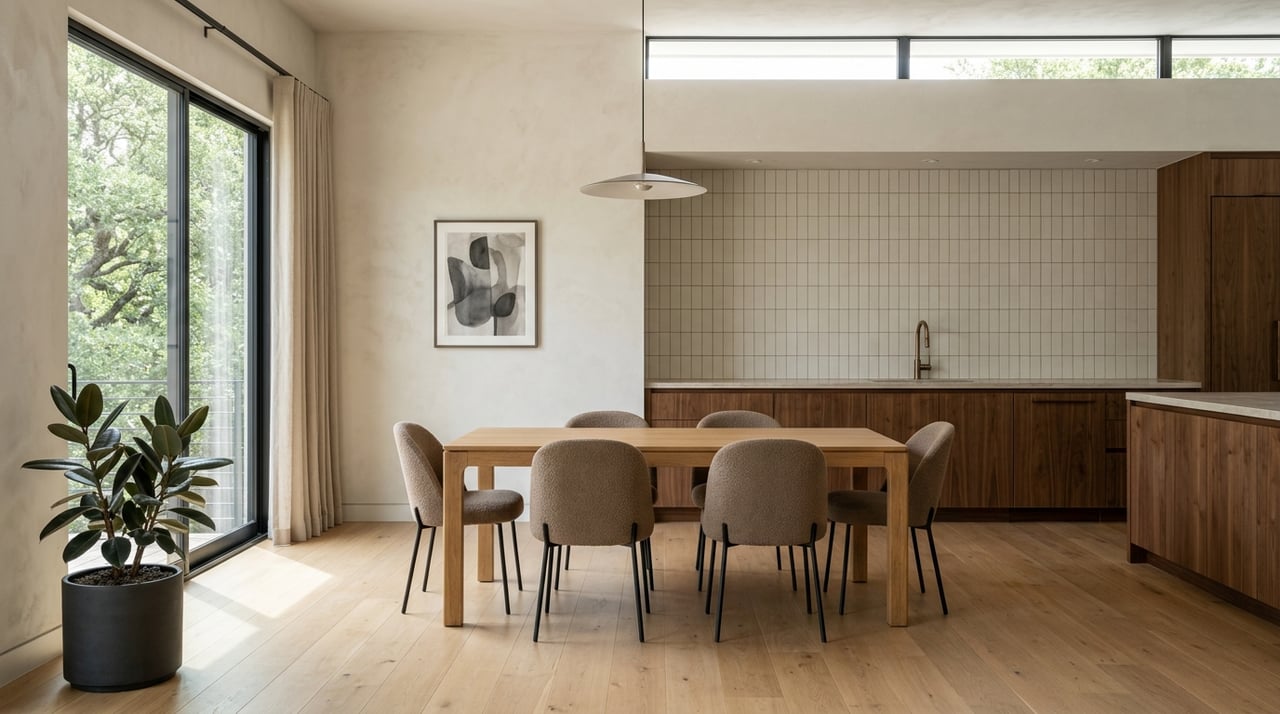
Older Lavaca homes often have more segmented floor plans than newer construction. That is not a flaw, but it does mean buyers need help understanding how each room functions. According to NAR’s 2025 staging report, 83% of buyers’ agents said staging makes it easier for buyers to visualize a property as a future home.
The most commonly staged rooms were the living room, primary bedroom, and dining room. In a historic home, that supports a practical room-by-room staging plan. Instead of trying to make the house look like something it is not, you want to define each space in a way that feels natural to the architecture.
A thoughtful staging plan can help buyers read the home faster. It can also keep attention on original trim, ceiling height, windows, porch access, and other details that make a Lavaca property memorable.
Use photography to explain the floor plan
Online presentation is no longer optional. NAR’s 2024 Profile of Home Buyers and Sellers snapshot found that all buyers used the internet in their search, 43% started online, and the most useful website features were photos, detailed property information, and floor plans. A later NAR summary cited in the research found that 81% of buyers rated listing photos as the most useful feature during the online search.
That matters even more in Lavaca, where room flow may be less obvious at first glance. Strong photography and a simple floor plan help buyers understand scale, connection, and how original features work together. In many cases, those assets can be the difference between a quick scroll past and a saved listing.
There is also a practical side to this. The city’s COA process requires current color photos of all sides of the structure, and Google images are not accepted. Done well, your visual package can support both preservation documentation and marketing readiness.
Video can add another layer of clarity. NAR’s 2025 technology survey summary notes that 52% of agents use drone photography and video, showing that motion and aerial visuals have become a mainstream part of listing presentation.
Price within today’s market reality
Even a distinctive historic home needs to enter the market with discipline. SABOR’s January 2026 market review reported that the San Antonio-New Braunfels market normalized in 2025, with median home prices holding at about $306,000 and inventory rising to just over five months. SABOR expects 2% to 4% price growth in 2026.
That points to a balanced market, not an automatic seller advantage. In this kind of environment, condition, documentation, and presentation can have an outsized effect on how buyers respond. A Lavaca home with a clear story, thoughtful prep, and polished visuals is more likely to stand out early.
Build a marketing story buyers remember
In Lavaca, facts matter, but so does narrative. Buyers need to understand not only what the home offers, but why it feels different from a generic listing. That means connecting the home’s architectural details, preservation choices, and neighborhood setting in a concise, editorial way.
A broad digital launch is especially important because early visibility affects what gets clicked, saved, and remembered. NAR’s guidance on maximizing online visibility supports the value of a coordinated launch rather than a casual, piecemeal rollout.
For a Lavaca seller, that usually means:
- Clear pricing from day one
- Professional photography and floor plans
- Listing copy that explains architectural character accurately
- Strong MLS and national portal exposure
- Wider storytelling through editorial and digital distribution
This is where a calm, organized process makes a real difference. Historic homes often require more coordination than newer properties, and the best results usually come from aligning repairs, approvals, visuals, pricing, and launch timing before the home goes live.
A better way to sell in Lavaca
Selling a historic home the right way means balancing preservation, preparation, and presentation. You want to respect the rules, protect what makes the home special, and bring it to market with a story buyers can understand the moment they see it online.
If you are thinking about selling in Lavaca, working with an advisor who understands historic neighborhoods, visual presentation, and launch strategy can help reduce stress and improve exposure. For a tailored plan for your home, connect with Ryan Hoskins.
FAQs
Do I need city approval for exterior work on a Lavaca home before listing?
- Yes. San Antonio requires a Certificate of Appropriateness for exterior modifications and repairs on properties with historic zoning overlay, even in side or rear areas.
Does historic designation automatically raise taxes on a Lavaca property?
- No. The city states that historic designation does not automatically increase taxes, although assessed value may change over time and some tax incentives may apply to qualifying rehabilitation.
Should I replace old windows before selling a historic home in Lavaca?
- Not necessarily. City guidance recommends repairing historic windows when possible and replacing only when needed, using materials and details that match the original.
What repairs matter most before selling a Lavaca historic home?
- Roof condition, porches, windows, siding, and drainage are key priorities because they affect preservation, appearance, and buyer confidence.
Why are professional photos so important when selling a Lavaca home?
- Buyers rely heavily on online search tools, and photos are one of the most useful features for understanding layout, character, and condition before scheduling a showing.